Anger Management Worksheets for Kids
Children experience a wide range of emotions, and learning to manage anger is an essential skill that can shape their behavior, relationships, and overall well-being. Anger Management Worksheets for Kids offers a playful and structured way for young learners to explore and understand their feelings. Designed with creativity and practicality in mind, this printable workbook is a valuable resource for parents, educators, and therapists looking to support emotional growth in children.
The workbook is filled with engaging activities that help kids identify triggers, recognize warning signs, and practice healthy coping strategies. Each page is thoughtfully crafted to be both educational and enjoyable, making it easier for children to engage with the content and retain key messages.
What Makes This Workbook Unique?
Unlike traditional worksheets, Anger Management Worksheets for Kids blends learning with fun through a variety of interactive elements. From drawing prompts to emotion scales, the workbook encourages self-expression and reflection in a safe and supportive environment.
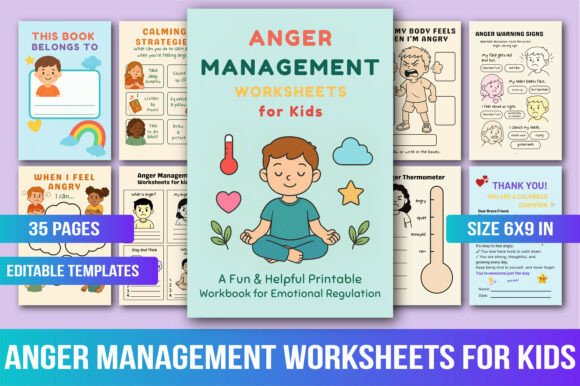
- 30 Child-Friendly Activity Pages: Each page is designed to be age-appropriate, ensuring that children remain engaged throughout the process.
- Drawing and Writing Prompts: These activities allow kids to express their thoughts and feelings creatively, fostering emotional awareness.
- Anger Thermometer and Emotion Scales: Visual tools that help children track their emotions and understand how they change over time.
- Safe vs Unsafe Choices Visuals: These illustrations teach kids to distinguish between appropriate and inappropriate behaviors in different situations.
- Calmness Trackers and Progress Pages: Help children monitor their emotional progress and celebrate small victories along the way.
- Coping Skills Toolbox: A collection of techniques such as deep breathing, taking breaks, and using positive self-talk.
- Notes and Doodle Pages: Provide space for personal reflections and creative expression.
- Certificate of Completion and Thank You Page: Reinforce a sense of accomplishment and gratitude.
The workbook also includes high-quality printable files in various formats—PDF, PNG, and JPG—making it easy to use in different settings. Its 6×9 inch size is ideal for classroom use or home activities, and it can be resized to fit specific needs. The content is suitable for children aged 5 to 12, making it a versatile tool for a wide range of users.
Applications and Adaptations
Anger Management Worksheets for Kids can be adapted for multiple purposes and audiences. In a classroom setting, teachers can use the workbook to create a structured emotional education program. Parents can incorporate the activities into daily routines to help children develop self-regulation skills at home. Therapists may find the workbook useful as a supplementary tool in sessions focused on emotional development and behavioral management.
For educators, the workbook can serve as a foundation for creating customized lesson plans. Teachers can select specific pages to align with curriculum goals or integrate them into existing social-emotional learning frameworks. For example, a teacher might use the “Identify Triggers” activity to help students reflect on what causes frustration in group settings.
Parents can use the workbook to initiate conversations about emotions and encourage open communication. Activities like the “Safe vs Unsafe Choices” visuals can be used to discuss real-life scenarios and guide children toward healthier decision-making. The “Calmness Tracker” can also be a great tool for helping children build a routine of self-monitoring and self-care.
Therapists and counselors may find the workbook particularly helpful for younger clients who are not yet comfortable with verbal expression. The visual and hands-on nature of the activities makes it easier for children to participate and feel supported during therapy sessions.
Practical Tips for Effective Use
To maximize the benefits of Anger Management Worksheets for Kids, consider the following tips:
- Start with a calm environment: Ensure that the child feels safe and comfortable before beginning any activity.
- Encourage open dialogue: Ask questions and listen actively to help the child process their feelings.
- Use the tracking tools consistently: Regularly reviewing the Calmness Tracker can help reinforce positive habits.
- Combine with other strategies: Pair the workbook with role-playing, storytelling, or mindfulness exercises for a more comprehensive approach.
- Make it a shared activity: Involve the child in choosing which pages to complete, giving them a sense of ownership over the process.
- Celebrate progress: Recognize and praise the child’s efforts to build confidence and motivation.
By incorporating these strategies, users can ensure that the workbook remains an effective and meaningful resource for emotional development.
Who Can Benefit from This Resource?
Anger Management Worksheets for Kids is a flexible tool that can benefit a wide range of individuals and organizations. Educators can use it to support classroom behavior management and social-emotional learning. Parents can use it to foster emotional intelligence and self-awareness at home. Therapists can integrate it into their practice to help children develop healthier coping mechanisms.
Additionally, the workbook can be a valuable asset for homeschooling environments, after-school programs, and community centers. It is also a great resource for those working in child advocacy, mental health, or early childhood education. Whether you're a creator, designer, marketer, blogger, entrepreneur, or educator, this workbook offers a unique opportunity to make a positive impact on children's lives.
With its blend of creativity, structure, and practicality, Anger Management Worksheets for Kids stands out as a thoughtful and effective solution for supporting emotional regulation in young learners. By providing children with the tools they need to understand and manage their emotions, this workbook lays the foundation for lifelong emotional wellness.