2025-26 Dissociation Journal: A Creative and Educational Tool for Self-Discovery
Welcome to the 2025-26 Dissociation Journal, a unique blend of personal reflection, mental health awareness, and creative design. This journal is not just a calendar; it's a comprehensive tool designed to help you explore dissociation in a safe, structured, and visually appealing way. Whether you're new to the concept or looking to deepen your understanding, this journal offers everything you need to navigate your journey with clarity and purpose.
What Is Dissociation?
Dissociation is a psychological process where a person feels disconnected from their thoughts, feelings, memories, or sense of identity. It can occur as a response to trauma, stress, or intense emotions. While dissociation is often associated with severe mental health conditions like dissociative disorders, it can also be a common experience in everyday life, such as when someone daydreams or becomes lost in thought.
It's important to distinguish between normal dissociation and dissociative disorders. Normal dissociation is usually brief and doesn't interfere with daily functioning. However, prolonged or frequent dissociation can signal an underlying issue that may require professional attention.
Signs and Symptoms of Dissociation
- Feeling detached from one's body or surroundings
- Memory gaps or difficulty recalling personal events
- Emotional numbness or feeling like you're "outside" your own experiences
- Difficulty maintaining a consistent sense of self
- Sudden shifts in mood or behavior without clear cause
These symptoms can vary in intensity and frequency, and they often appear in response to overwhelming stress or trauma. Recognizing these signs is the first step toward understanding and managing dissociation.
The Different Types of Dissociation
Dissociation can manifest in various forms, each with its own characteristics:
- Depersonalization: Feeling detached from one's own thoughts or body.
- Derealization: Perceiving the world as unreal or dreamlike.
- Identity Confusion: Uncertainty about one's sense of self or personal identity.
- Amnesia: Memory loss related to traumatic events or periods of dissociation.
- Identity Alteration: Experiencing multiple distinct identities or personalities.
Understanding these types helps individuals identify which form of dissociation they may be experiencing and seek appropriate support or treatment.
Effects of a Dissociative Disorder
Dissociative disorders can significantly impact a person's quality of life. Common effects include:
- Difficulty concentrating or focusing on tasks
- Challenges in maintaining relationships
- Emotional instability or mood swings
- Impaired memory and recall
- Feelings of emptiness or detachment
These effects can lead to social isolation, academic or work-related difficulties, and emotional distress. Early recognition and intervention are crucial for effective management and recovery.
How Can I Help Myself?
If you're experiencing dissociation, there are several strategies you can use to support your mental well-being:
- Practice grounding techniques: Use the 5-4-3-2-1 method to bring your focus back to the present moment.
- Engage in regular self-care: Prioritize sleep, nutrition, and physical activity to reduce stress.
- Seek professional guidance: Therapy can provide valuable tools and support for managing dissociation.
- Build a supportive network: Connect with friends, family, or support groups who understand your experience.
- Keep a journal: Document your thoughts, feelings, and progress to gain insight into your patterns.
These practices can help you regain a sense of control and stability, making it easier to navigate dissociation in a healthy way.
2025-26 Dissociation Journal: Your Personal Guide
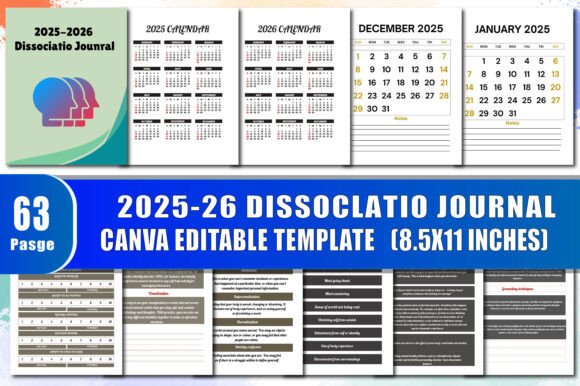
The 2025-26 Dissociation Journal is more than just a planner—it's a tool for self-exploration and growth. Designed with a clean, modern layout, this journal includes:
- A full 2025 and 2026 calendar with monthly pages
- Special sections for tracking dissociation experiences and triggers
- Guided exercises for mindfulness, body awareness, and mental focus
- Space for writing reflections, goals, and progress
- Interactive elements to enhance engagement and creativity
This journal is perfect for anyone interested in learning more about dissociation, whether for personal growth, therapy support, or educational purposes. The design allows for easy customization, so you can tailor it to fit your needs and preferences.
Canva Interior Design: Customizable and Ready to Upload
The 2025-26 Dissociation Journal is also available as a Canva interior design, allowing you to edit and customize the layout before exporting. With Canva, you can:
- Change colors and fonts to match your personal style
- Add images, icons, or illustrations to enhance visual appeal
- Adjust page layouts for optimal readability and organization
- Save your design as a high-quality PDF ready for printing or digital use
This makes it an ideal resource for both print and digital formats, including Amazon KDP publishing. Whether you're creating a personal journal or a professional product, the Canva design offers flexibility and ease of use.
Why Choose This Journal?
There are many benefits to using the 2025-26 Dissociation Journal:
- Educational value: Learn about dissociation through structured content and guided exercises.
- Practical application: Apply what you learn to real-life situations and personal development.
- Visual appeal: Enjoy a clean, modern design that enhances the user experience.
- Customizability: Tailor the journal to suit your individual needs and preferences.
- Accessibility: Available in both printable and digital formats for convenience.
This journal is a valuable resource for anyone seeking to better understand dissociation, manage its effects, and support their mental health journey.
Conclusion
The 2025-26 Dissociation Journal is a powerful tool for self-discovery, education, and personal growth. By combining practical information with a visually engaging design, it offers a unique approach to understanding and managing dissociation. Whether you're using it for personal reflection, therapeutic support, or educational purposes, this journal provides the resources you need to navigate dissociation with confidence and clarity.
Ready to start your journey? Download your copy today and begin exploring the world of dissociation with a structured, supportive, and creative guide at your side.